
The Overlooked Transit Restroom Problem
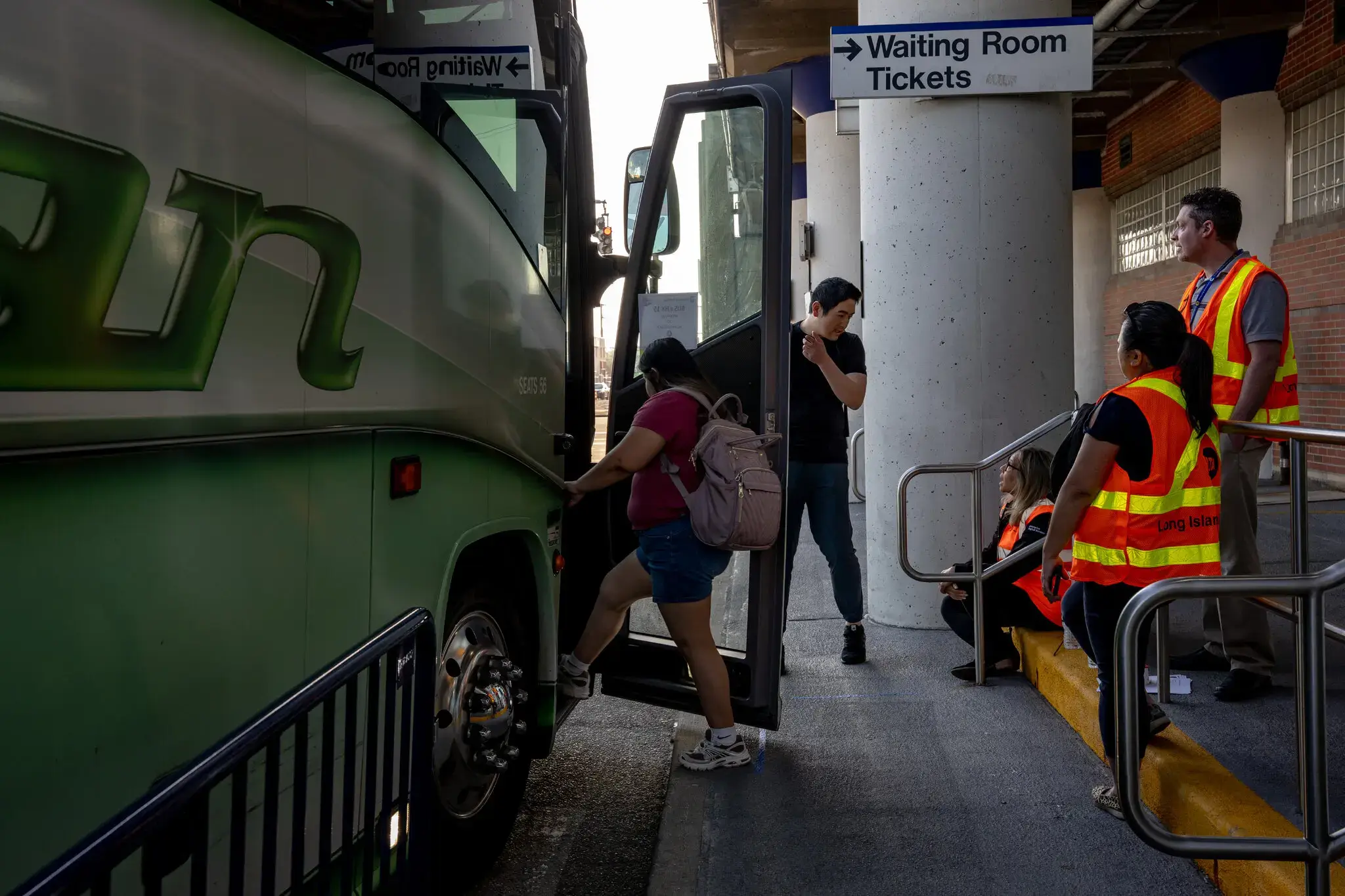 At the end of a long route, a bus operator pulls into a busy layover spot. The clock says there are seven minutes before departure. Seven minutes to reset, sip some coffee, maybe check a message—and, if necessary, find a restroom. But there isn’t one. The nearest option is a fast-food place across the street, and last week they put up a “restrooms for customers only” sign. The operator considers the walk anyway, does the mental math on time, traffic, and risk, and ultimately stays put. The route continues on schedule, but not without cost.
That quiet calculation plays out across transit systems every day.
81% of operators report “holding it in” while they are on the job, and 64% of people avoid drinking and eating anything while they’re at work. 25% of operators reported soiling themselves while driving a bus… 25% of operators reported conditions like urinary tract infections, kidney infections, and constipation.
Operating a bus or train isn’t just about driving; it’s about staying locked on to a schedule that leaves almost no room for human needs. Shifts stretch long, routes are fixed, and flexibility is minimal. It’s so bad that some transit drivers have had to resort to wearing adult diapers! Lack of restroom access for transit drivers is a big deal, one that affects health, focus, and overall job satisfaction.
More than 90% of the 117 public transit agencies that responded to an American Public Transportation Association survey in March (2022) said they are having difficulty hiring new employees, with bus operator being the most difficult position to fill. As a result, 71% of agencies have either had to cut service or postpone adding service. (Source: Smart Cities Dive)
Given all that, it might seem obvious that the solution is simply to build more restrooms. But many layover locations are in developed areas with no extra room for permanent structures. Even when space can be found, the (often costly) process of designing, permitting, and constructing a traditional restroom can take months or even years.
Agencies sometimes look to nearby businesses as a workaround. On paper, it’s a simple idea: partner with a café, a grocery store, or a gas station. In practice, it’s out of your control and rarely reliable. A steady flow of operators throughout the day can quickly overwhelm a business, and policies change. What starts as a cooperative arrangement can end abruptly.
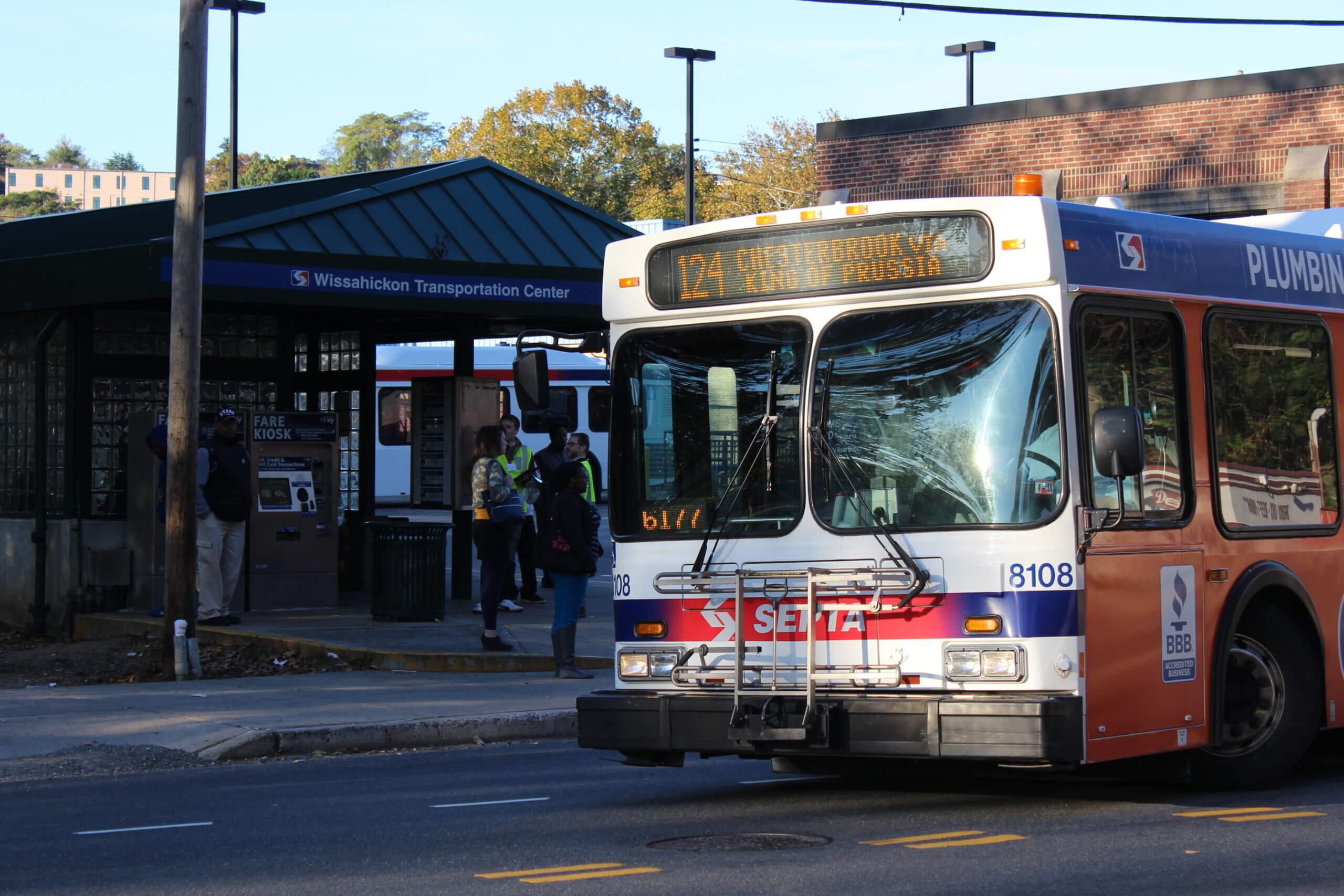 This is why so many systems turn to portable solutions. The standard porta-potty is often the first choice, largely because it’s easy to deploy and relatively inexpensive. But it’s also widely disliked and is best as a temporary solution rather than a permanent one.
Restroom trailers attempt to bridge that gap. They offer more space, better amenities, and a more comfortable experience overall. Unfortunately, these trailers are designed for safe and optimal settings such as weddings, festivals, and corporate retreats, not for rough urban areas or a remote outpost where vandalism and misuse will inevitably lead to frequent repairs and closures. The expense of keeping a trailer operational can outpace its benefits, turning what was meant to be an upgrade into an ongoing burden.
Against this backdrop, a different kind of solution begins to make sense—one designed specifically for the realities of transit operations rather than adapted from other contexts.
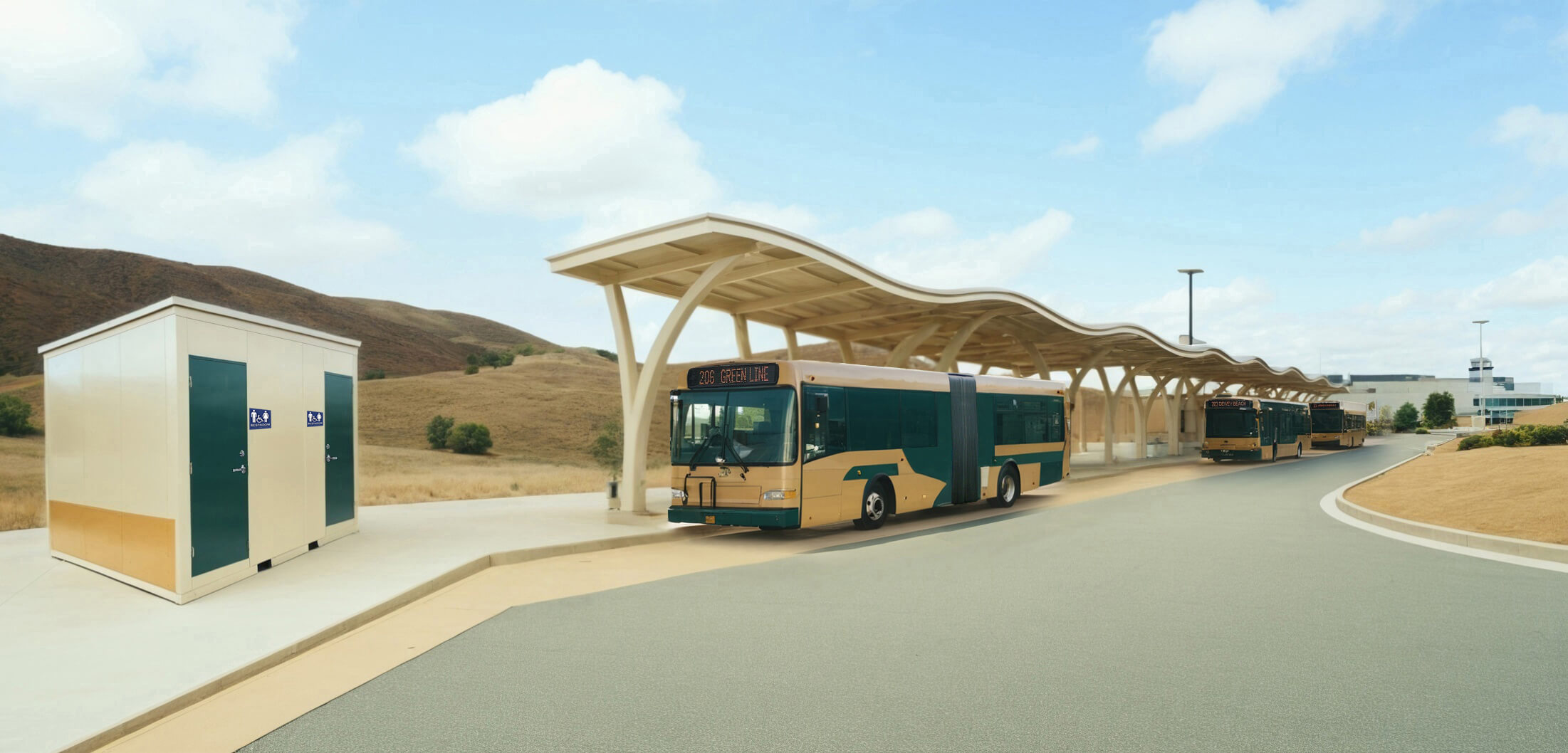
The Sentinel, developed by Green Flush, was invented with precisely these realities in mind. Instead of assuming ideal conditions, it is designed to conquer rough and challenging situations.
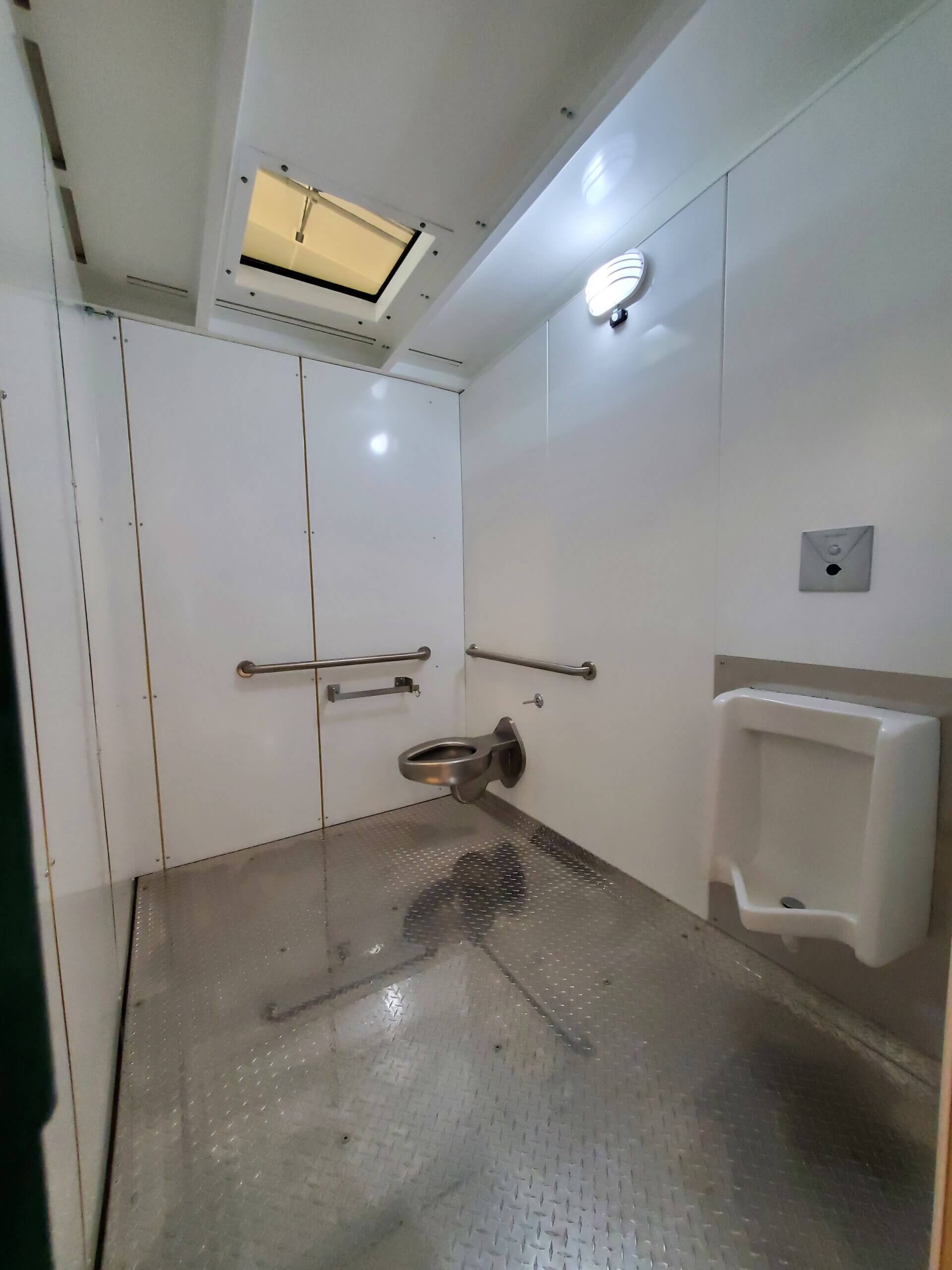
Where traditional portable options can be easily damaged or tipped, the Sentinel is built like a tank with steel and cast-iron components to withstand rough use and vandalism. It also has a powder coated interior that makes for easy graffiti removal and can be hosed down without issue.
The Sentinel can operate fully off grid (no power, water, and/or sewer) if needed. This adaptability opens up possibilities in areas that would otherwise be considered unserviceable. A layover spot that once had no viable restroom option can suddenly support one without the need for extensive construction.
Then there’s the matter of space. Urban transit doesn’t leave much room to work with, and any solution has to fit within tight constraints. The Sentinel is designed to occupy roughly the footprint of a single parking space and can be deployed with a forklift. That combination of compact size and mobility allows agencies to place it in locations where a permanent structure—or even a larger trailer—would be impractical.
Cost, of course, is always part of the equation. While no solution is free, the Sentinel’s off-grid operation is designed to be efficient over time. When you factor in pumping and water servicing, the per-use cost is less than those dreaded adult diapers, and is far more dignified.
And dignity matters. For operators, having access to a clean, secure, and reliable restroom isn’t just about convenience or comfort; it’s about being treated as professionals whose needs are recognized and respected.
Transit operators deserve better, and the Sentinel makes “better” achievable almost anywhere.
Not every layover will have space for a permanent building, not every partnership with a nearby business will last, and not every portable option can withstand the environments in which it’s placed. Instead of forcing a one-size-fits-all approach, the sentinel can adapt to an assortment of challenging situations.
For agencies, planners, and those responsible for managing layover locations, the question isn’t whether operators need better restroom access—that’s already clear. The question is how to provide it in a way that’s reliable, sustainable, and scalable.
Exploring solutions like the Sentinel is a step toward answering that question. If you’d like to learn more or receive an estimate, you can contact us at (360) 718-7595, we’d be happy to answer any questions.